


Today, with the advancement of technology, construction methods have changed from traditional to modern, from floor to wall and ceiling, everything is used with newer and safer types for the construction process. With the formation of these newly emerging materials, newer standards have been created to meet the minimum conditions.
The walls have also received a share from this technology, and today we are facing a newer type of it, which is called ACC panel, we have already talked about how to make these panels, and now we want to discuss the types of materials for installing these panels. We divide it into two parts: infrastructure material and final installation.
What is super course or dump course?
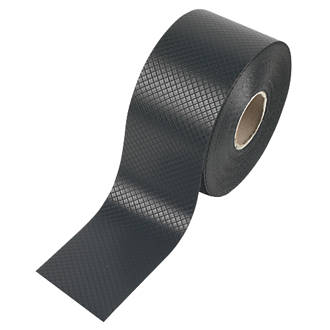
The first item in the infrastructure material is Supercourse, which is plastic of different thickness, width and length to prevent moisture from the part under the panel that is placed on the concrete to the panel itself. The most suitable thickness is 50 mm and the length of this super course is 50 meters depending on the packaging. The most important dimension is the width, which is available in different sizes.
The super course must cover the bottom of the panel and its back. To choose the appropriate width for the panels to be installed, which are two models with a thickness of 75 and 50 mm, it must be done according to the following formula.
Panel thickness (mm) + the amount of cover behind the panel (mm) + the amount of protrusion in front of the panel (mm) = super course width
Of course, small points should be considered, usually the location of the building skeleton and the panel on the concrete is associated with a surface difference, which should be considered in the amount of the cover behind the panel.

Course dump width? Some contractors and builders consider this amount based on the thickness of the panel and generally use a width of 150 mm, but the most suitable width based on field experience is 300 and 380 mm. Usually, the difference in level between the location of the skeleton and the ECC panel of the wall is 20 mm, and the height of the substructure of the panel, which we mentioned above, is considered to be 200 mm. Paying attention to the amount of protrusion from the front of the panel which is adjusted at the end of the texture section, which is usually 20 mm after adjustment, and considering the thickness of the panel, for example, 75 mm, it can reach a total width of 300 mm. He used 380 mm Supercourse.

What is the reason for using serking?
The second material in the infrastructure sector is the use of surging, which is known as vapor or covering of external walls and creates an additional layer of insulation and protection against the elements, which is usually supplied with a width of 1.35 meters and a length of 30 meters.

Top Hats
The third material in the infrastructure section is Top Hats, which is usually 6.10 meters long and the height of the U-shaped protrusion is 24 mm, and it is offered in two models, the mounted and the simple, the height of the perforated model may be slightly different, but in general, both models serve as support. ACC panel is used, which is made of Cyclonic.

screws
The last material in the under-construction section is all kinds of screws to keep the top hats fixed to the frame, and in Australia, wood or metal frames are used in the construction of one- and two-story houses, so a special type must be used for each. In the wooden frame, 40 mm screws are used.